\Whisky benefits to health and the benefits of wine are often discussed, especially when people talk about drinking in moderation. But behind these conversations is an important topic many overlook: how alcohol affects glucose levels in your body.
Understanding this relationship between alcohol and glucose levels is essential for safer, more mindful drinking. Let’s discuss it further here!
How Alcohol Affects Blood Glucose Levels

Alcohol doesn’t behave like normal food or sugar. Instead, it interferes with the liver that’s responsible for managing your blood glucose. Here are the key ways alcohol affects glucose:
1. Alcohol Temporarily Stops The Liver from Releasing Glucose
Normally, your liver maintains stable blood sugar by slowly releasing stored glucose throughout the day. When you drink alcohol, your liver switches focus from glucose management to detoxifying alcohol.
That means:
- Your body stops releasing stored glucose
- Blood sugar may drop
- You may experience symptoms similar to hypoglycemia
This effect can last 8–12 hours after drinking, depending on the amount consumed.
People with diabetes, especially those on insulin or medication that lowers glucose, can be at higher risk of dangerously low blood sugar during this window.
2. Alcohol Can Cause Blood Sugar to Drop too Low
Because the liver is busy processing alcohol, insulin continues to work without the normal counterbalance of glucose release. This can lead to:
- Dizziness
- Shakiness
- Sweating
- Confusion
- Weakness
- Irritability
- Hunger
These symptoms can resemble drunkenness, making low blood sugar harder to recognize. For people with Type 1 or Type 2 diabetes, severe hypoglycemia can be a medical emergency.
3. Sugary Alcoholic Drinks Can Cause a Spike Followed by a Drop
Drinks high in sugar can cause a rapid rise in glucose followed by a bigger crash afterward. This rollercoaster effect makes your energy unstable and increases cravings.
4. Alcohol Can Increase Insulin Sensitivity
Some studies show that moderate alcohol consumption temporarily makes the body more sensitive to insulin, meaning sugar gets absorbed into cells more quickly, glucose levels drop faster, and the risk of hypoglycemia becomes higher when drinking without food.
While increased insulin sensitivity might sound positive, the sudden drop in blood glucose can be dangerous if not managed properly.
5. Alcohol May Indirectly Raise Glucose Through Overeating
Alcohol lowers inhibitions and increases cravings, which often leads to late-night snacking, eating high-carb foods, and consuming more calories than intended. Even if alcohol initially lowers glucose, overeating afterward can cause a rebound spike.
How to Drink Alcohol More Safely
Whether you have diabetes or simply want to maintain stable energy, these tips will help you drink smarter.
1. Never Drink on an Empty Stomach
Eating before drinking slows alcohol absorption and helps keep glucose stable.
Choose foods with:
- Protein (chicken, fish, tofu, eggs)
- Healthy fats (avocado, nuts, cheese)
- Fiber (vegetables, whole grains)
Avoid drinking after long fasts or skipping meals.
2. Choose Lower-sugar Drinks
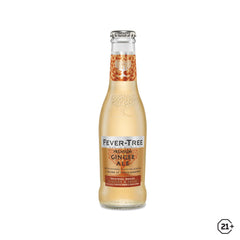
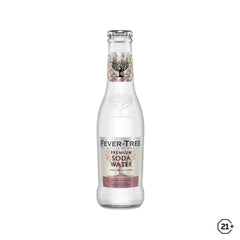
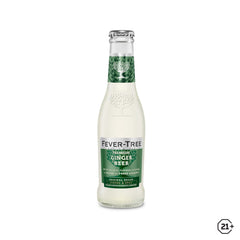
Better drink choices include options that are lower in sugar, such as dry red or white wine, as well as whisky, tequila, gin, or vodka paired with sugar-free mixers. Light beer can also be a more manageable option since it typically contains fewer carbs and added sugars.
You can find them at Minuman:
On the other hand, it’s best to avoid or limit sweet cocktails, margarita mix, tonic water, cola, sweet wines, and cream liqueurs. These beverages are high in sugar and can cause sharp spikes and crashes in blood glucose levels.
3. Drink Slowly and Stay Hydrated
A good rule to apply is: 1 glass of water for every glass of alcohol
Hydration helps your liver process alcohol more evenly and reduces next-day glucose swings. So, always remember to drink water.
4. Check Your Glucose Before Drinking
If your blood sugar is already low, alcohol could drop it further. Safe starting range from 100–180 mg/dL. For those with diabetes, follow your doctor’s guidance.
5. Eat a Snack Before Bed After Drinking
This is especially important because alcohol’s blood-glucose-lowering effect can last throughout the night.
Choosing smart snacks like Greek yogurt, peanut butter on whole-grain bread, nuts, or cheese with crackers can help keep your levels stable. Avoid sugary snacks, as they can cause a quick spike in blood sugar followed by a sharp crash.
6. Don’t Drink Right After Intense Exercise
Exercise naturally lowers glucose. Combining it with alcohol increases the risk of hypoglycemia. If you just worked out, remember to:
- Drink water
- Eat a meal first
- Wait before consuming alcohol
7. Know The Symptoms of Low Blood Sugar
If drinking makes you feel extra drunk, it might actually be hypoglycemia. Confusion, slurred speech, weakness, cold sweats, shaking, and sudden hunger are key warning signs. If you’re unsure, it’s safest to treat it as low blood sugar by consuming fast-acting carbohydrates.
8. Drink Within Safe Limits
General guidelines recommend:
- Women: up to 1 drink per day
- Men: up to 2 drinks per day
Binge drinking, more than 4–5 drinks in one sitting is dangerous for blood sugar regulation.
Remember to Drink Wisely!
Knowing how alcohol affects glucose levels helps you make safer, more informed choices. If you’re ready to explore quality drinks responsibly, you can buy high quality spirits online at Minuman.com.
Shopping at Minuman.com means you’re getting carefully selected spirits delivered straight to your home, often with detailed product descriptions and quality assurance.
We offer flexible payment options, including secure online payment and depending on your location, cash on delivery, so you can choose the method that’s easiest for you. For safe, reliable ordering of alcoholic beverages, make sure you buy only at Minuman.com!